- London Experiences
- London-on-Sea
- Outside the M25
- Food & Drink Gifts
- Gifts for Couples
- Gifts for Him
- Gifts for Her
- Birthday Gifts

Soho is one of those places that seems to have been having a moment for about 300 years.
It's tiny, busy, slightly chaotic and almost impossible to pin down. One minute you're walking past a Michelin-starred restaurant, the next you're in a tiny pub that's been there forever. There's Chinatown, Carnaby Street, music history, theatres, independent shops, late-night bars and enough stories packed into a few streets to keep you wandering for hours.
Soho has always attracted people who don't quite fit the usual mould. Artists, musicians, immigrants, writers, performers and night owls have all left their mark here.
It's changed enormously. It just hasn't lost its ability to surprise you.
The name dates back centuries, when “Soho” was apparently used as a hunting cry. These days it's considerably more likely to be followed by a cocktail order.
The area grew from fields outside the old City of London into one of the capital's most densely packed neighbourhoods. By the 20th century, Soho had become synonymous with nightlife, music, restaurants, sex and the sort of behaviour that respectable parts of London preferred not to discuss.

And then there was the music.
The streets around Soho became home to legendary clubs, record shops and venues, attracting everyone from jazz musicians to rock stars. Carnaby Street became one of the symbols of Swinging London in the 1960s.
Basically, Soho has been London's place for people doing something slightly different for a very long time.
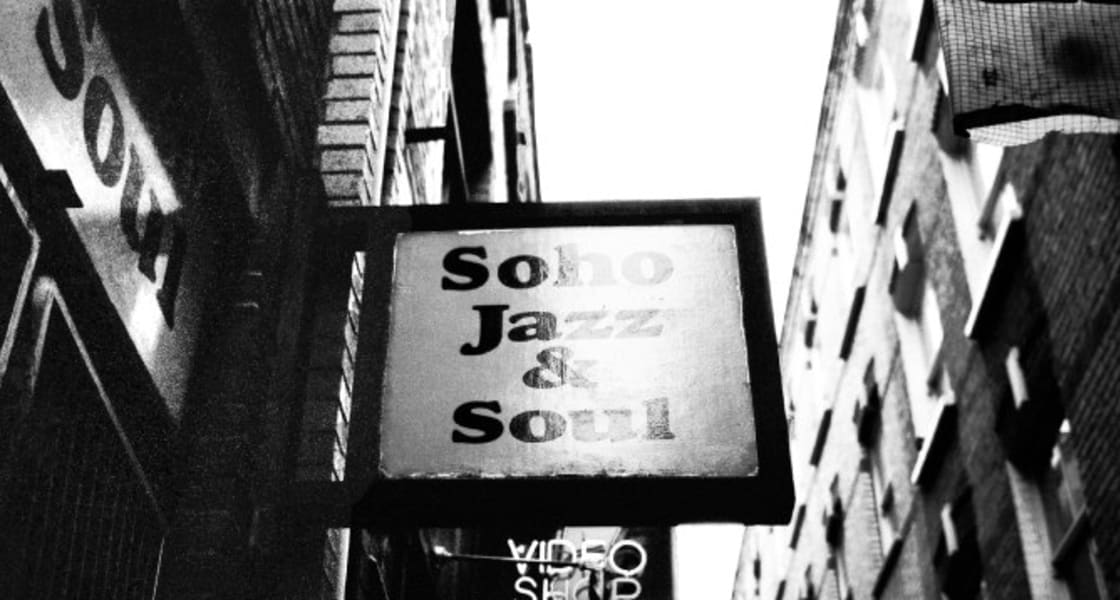

Comes alive after everyone else has gone home. Knows exactly where to find a late drink and absolutely doesn't need to be asked twice.

Has opinions about Chinatown, knows where to get the best dumplings and considers a three-hour lunch a perfectly reasonable use of a Saturday.

Can tell you which famous musician played where, which record shop you should have visited ten years ago and why Ronnie Scott's still matters.

Theatre, comedy, galleries, cabaret, cinema. If there's a ticket involved, they're interested.
Come here if you like…


The birthplace of Swinging London, once packed with mods, rockers and fashion rebels. These days it's rather more polished, but the history is still written into the street.
Market stalls, fabric shops, food and one of the best places to feel the old Soho beneath the newer one.
A surprisingly calm patch of green in the middle of all the noise. Good for sitting down, people-watching and wondering how many of those people have been to bed yet.
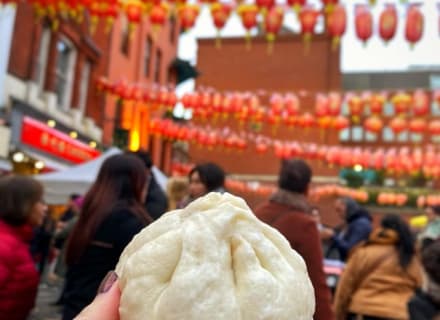
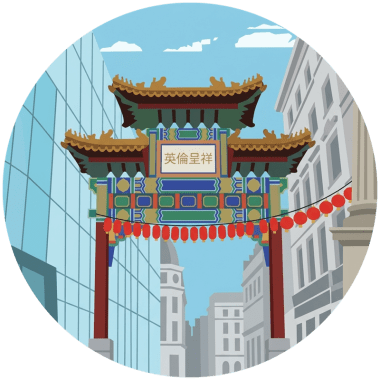
A whole neighbourhood packed into a few streets, with restaurants, bakeries, supermarkets and some very good reasons to arrive hungry.
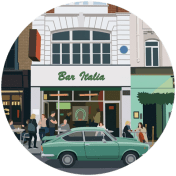
The neon-lit Soho institution that's been keeping people caffeinated and mildly over-excited since 1949.

Tiny, famously old-school and famously resistant to unnecessary modernisation.

Because obviously Soho needed a tiny collection of mysterious noses attached to its buildings.
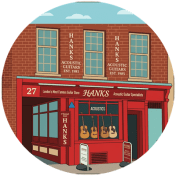
A little outside the traditional Soho core, but essential if you're interested in London's music history.
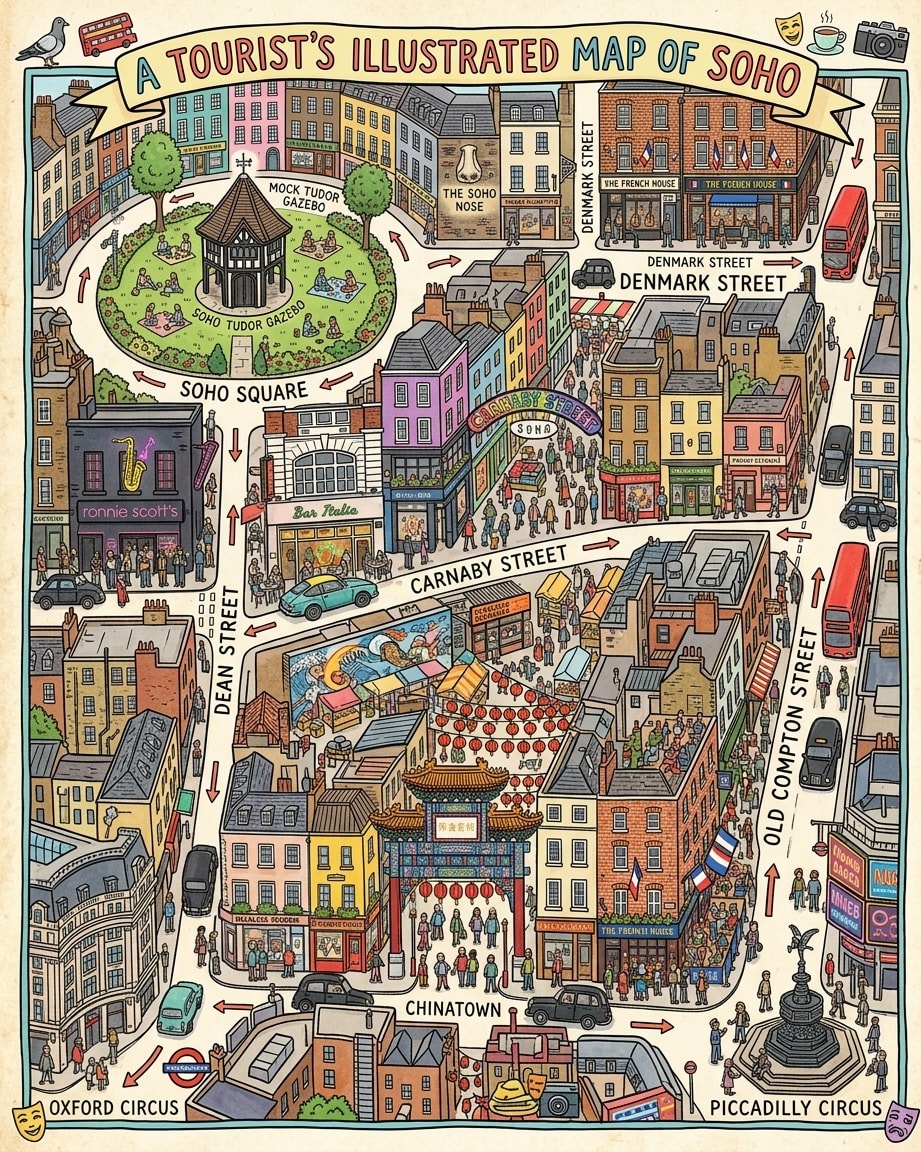
Absolutely. The trick is not to treat it like a checklist. Soho rewards wandering. Take a different street, duck into somewhere you've never noticed before and see where you end up. It's changed constantly over the years, but there's still plenty of the old Soho hiding in plain sight.
Almost too many things. Music, nightlife, restaurants, theatres, Chinatown, LGBTQ+ culture, Carnaby Street and a long history of attracting people who like doing things their own way. It's one of those neighbourhoods where the list gets longer the more you look.
We'd start around Soho Square, wander through Carnaby and Berwick Street, head towards Chinatown and finish somewhere around Old Compton Street. Leave yourself enough time to get distracted. That's half the point.
Very. You have restaurants, cocktails, live music, theatre, comedy and plenty of streets to wander between them. Better still, you don't have to decide exactly what the evening is going to be before you arrive.
On foot, without much of a plan. Soho is small enough to walk across but dense enough that you'll keep finding another street, bar, shop or restaurant worth investigating. Go hungry and don't book every minute of the day.
Quite a few, and they're a good way to get beneath the surface. You can explore Soho's musical history, hunt down some seriously good Asian food, make a day of it with dim sum or settle into a Japanese afternoon tea. We've picked experiences that give you a reason to see Soho rather than simply pass through it.