- London Experiences
- London-on-Sea
- Outside the M25
- Food & Drink Gifts
- Gifts for Couples
- Gifts for Him
- Gifts for Her
- Birthday Gifts

Some parts of London feel like they're performing.
Covent Garden actually is.
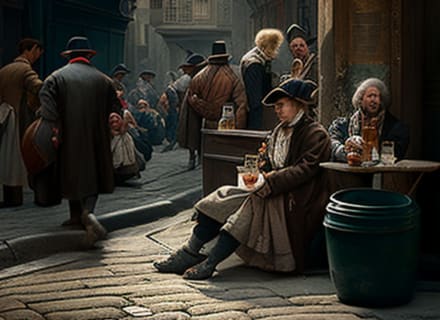
Street performers juggle chainsaws. Opera singers appear in the market. Actors, musicians, tourists, shoppers and slightly lost Londoners all swirl around the Piazza.
But beneath the crowds is a neighbourhood that's been entertaining people for over 400 years.
It's a place built on theatre, spectacle, food, mischief and a healthy amount of showing off.
London has changed countless times.
Covent Garden still knows how to put on a show.
The name comes from "Convent Garden".
Back in medieval times this land belonged to the monks of Westminster Abbey, who used it as a walled garden to grow fruit and vegetables.
Not quite the luxury shopping destination we know today.

By the 1600s, the garden had become London's first major fruit and vegetable market.
Traders, porters, performers, thieves, politicians and playwrights all mixed together in what quickly became one of the liveliest parts of the city. If something interesting was happening in London, chances are it was happening here.

The famous market eventually moved to Nine Elms in the 1970s.
Many feared Covent Garden would lose its soul.
Instead, it reinvented itself.
Today you'll find independent shops, theatres, restaurants and street performers occupying the same streets where traders once sold cabbages and apples.
Different audience. Same energy.

Before cinema. Before television. Before TikTok.
There was Covent Garden.
For centuries people have come here to watch, perform, flirt, gossip, laugh and occasionally make fools of themselves.
The Royal Opera House sits at its heart, but entertainment spills far beyond its walls.
Spend half an hour in the Piazza and you'll probably witness a magic trick, a standing ovation and someone dropping an expensive shopping bag.
Come here if you like…
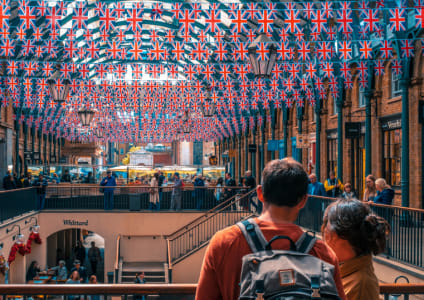


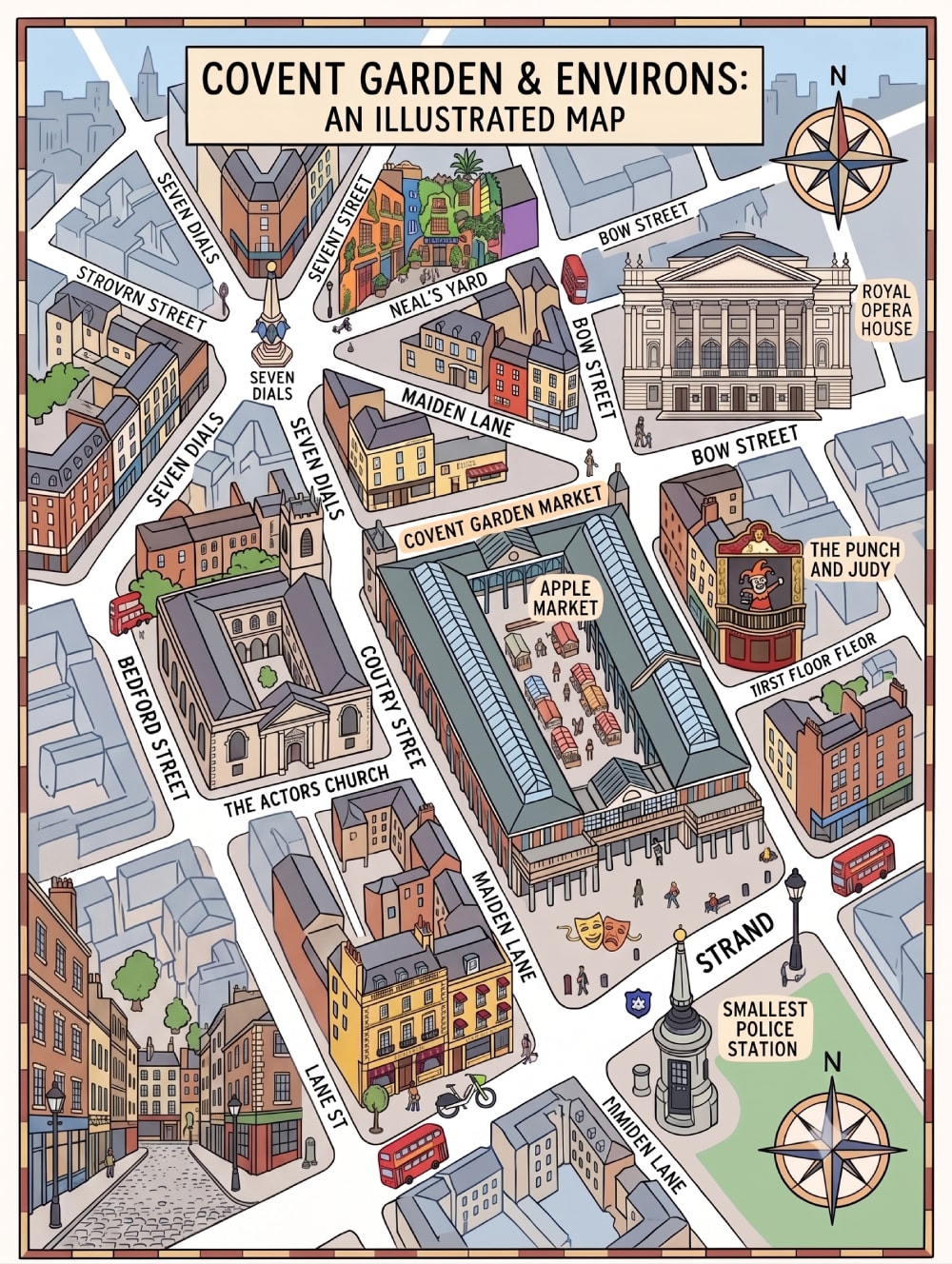
World-class opera and ballet hiding behind a surprisingly modern glass entrance.
The historic heart of Covent Garden, now filled with artists, makers and independent stalls.
Seven streets meeting at one point and one of London's most charming places to get lost.
Tiny, colourful and impossible not to photograph.
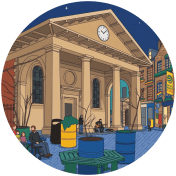
Officially St Paul's Church.
Unofficially the spiritual home of British theatre.

A tiny police box hidden in plain sight.

One of Covent Garden's oldest pubs.

London's oldest restaurant, serving customers since 1798.
Of course. Just don't stop in the Piazza. Most visitors see the market, watch a street performer and leave. The real Covent Garden begins once you start exploring the side streets, hidden courtyards, historic pubs and theatre-filled back roads surrounding it. Think of the Piazza as the trailer, not the film.
Entertainment. It started with markets, evolved into London's theatre district and eventually became one of the most visited neighbourhoods in the country. For centuries people have come here to buy things, watch things and be distracted by things. Very little has changed.
Exceptionally. A great date practically plans itself here. Coffee in Neal's Yard, wandering Seven Dials, cocktails in a hidden bar, dinner somewhere tucked away and a show in the West End. You can fit an entire relationship into a Covent Garden afternoon.
Look beyond the obvious. Visit London's smallest police station. Find hidden courtyards. Explore secret cocktail bars. Discover theatre history. Take a walking tour that reveals the stories most people miss. Covent Garden rewards curiosity more than planning.
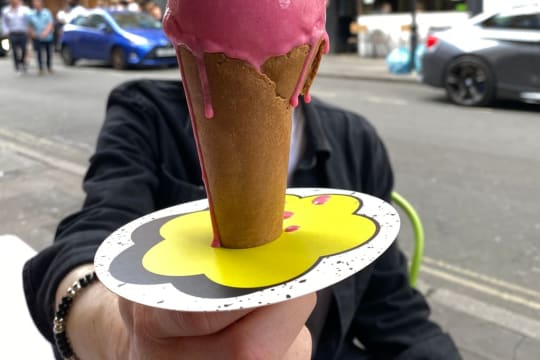
Crack the secret code and you'll be lead to a new mouth-watering milestone. This adventure is part foody walking tour, part urban adventure.

The crustless cucumber sandwiches with clotted cream scones teamed with crispy samosas and dhokla sandwiches in the grand setting of Grade II building, the Holborn Town Hall in Covent Garden.

Enjoy an unforgettable night of edgy cabaret, burlesque acts, aerial stunts, tantalizing fire-eating shows, delicious pizza, and signature cocktails at the historic Phoenix Arts Club

Overwhelmed with a brilliant book idea but unsure where to start? Suffering from writer's block syndrome? Join published author, Dr. Matthew Green for a 121 creative workshop in London.